Evaluating AI Live Translation Tools
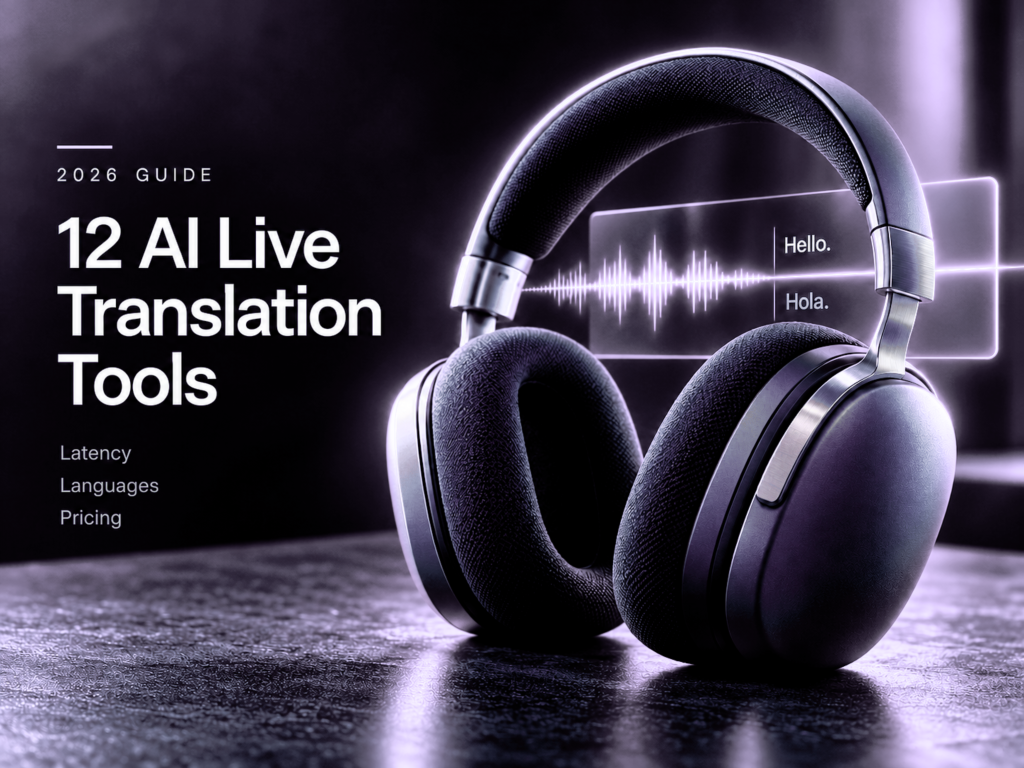
According to an analysis published by MarkTechPost, the current market for artificial intelligence live translation tools requires builders and enterprise architects to evaluate several core technical parameters. The review highlights that system performance largely hinges on latency constraints, language coverage breadth, and underlying pricing structures.
As real-time communication demands increase across global infrastructure, developers deploying these machine translation models must weigh the trade-offs between processing speed and linguistic accuracy. Low latency remains a critical hurdle for live audio streams and synchronous translation interfaces, requiring optimized inference pipelines and efficient model architectures. The MarkTechPost breakdown points out that modern deployments must balance extensive multilingual support against computational overhead, particularly when integrating these models into existing communication stacks.
For builders constructing multilingual applications, understanding these operational constraints helps in selecting appropriate speech-to-speech and text-to-text models. The evaluation serves as a practical reference for technical teams assessing third-party translation application programming interfaces and proprietary deployment frameworks in production environments.
Based on reporting by www.marktechpost.com.