Understanding the Agent2Agent Protocol
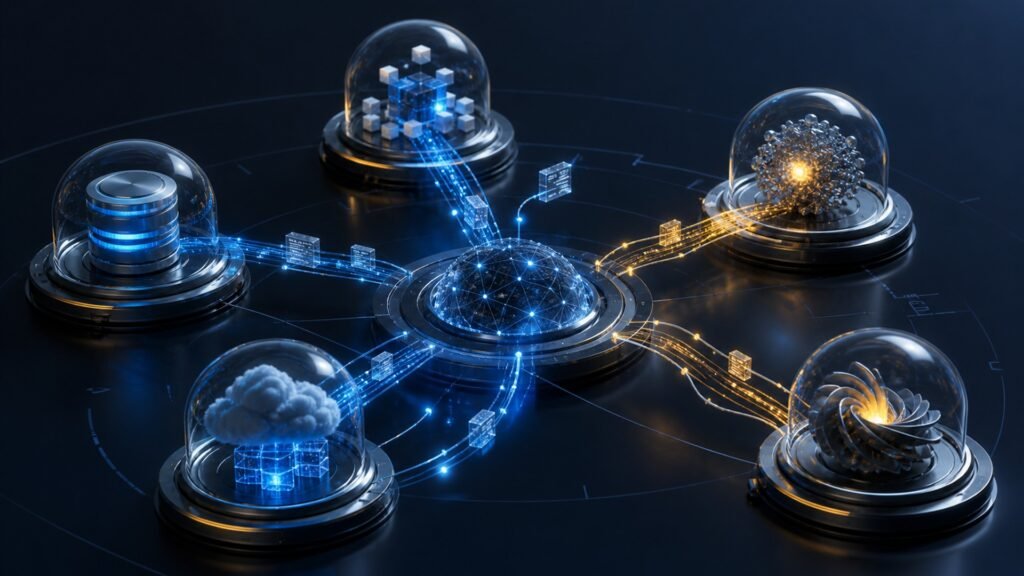
As the artificial intelligence landscape shifts toward autonomous workflows, developers are increasingly focused on multi-agent systems. According to Unite.ai, the Agent2Agent or A2A protocol represents a critical framework designed to facilitate seamless communication and collaboration between distinct artificial intelligence agents.
Historically, AI applications have operated in relative isolation, interacting primarily with human users or through rigid, hardcoded application programming interfaces. The A2A protocol addresses this limitation by establishing standardized methods for independent agents to discover each other, negotiate tasks, exchange context, and execute complex workflows collectively.
For builders working on AI tools and agents, adopting standardized communication layers is becoming essential for scaling automated operations. Rather than relying on monolithic models to handle every facet of a request, developers can deploy specialized agents tailored for specific domains. These specialized agents then utilize protocols like A2A to pass information back and forth safely and efficiently.
As noted by Unite.ai, implementing such collaborative architectures requires careful consideration of security, state management, and message routing. Standard protocols help mitigate these integration challenges, allowing software engineers to build more modular and resilient multi-agent ecosystems without inventing custom bridging layers for every new tool.
Based on reporting by www.unite.ai.